As cats enter their senior years (around age 10+), their physical and behavioral needs shift. Joint stiffness, dental wear, changes in appetite, and sensory decline become common. With thoughtful adjustments to diet, environment, and routine veterinary care, you can help your kitty remain comfortable, active, and engaged for many extra happy years. Here’s how to recognize aging milestones, optimize health, adapt your home, and keep your senior cat thriving. Recognizing the Signs of Aging Changes in Mobility Older cats often show subtle shifts: reluctance to jump onto the sofa, slower climbs up cat trees, or stiffness after napping. Keep an eye out for limping or difficulty negotiating stairs—early arthritis management can make a big difference. Dental & Oral Health By their senior years, many cats develop tartar buildup, gingivitis, or worn/loose teeth. Bad breath, drooling, or reluctance to chew hard food are red flags that warrant a dental exam. Weight Fluctuations Me...
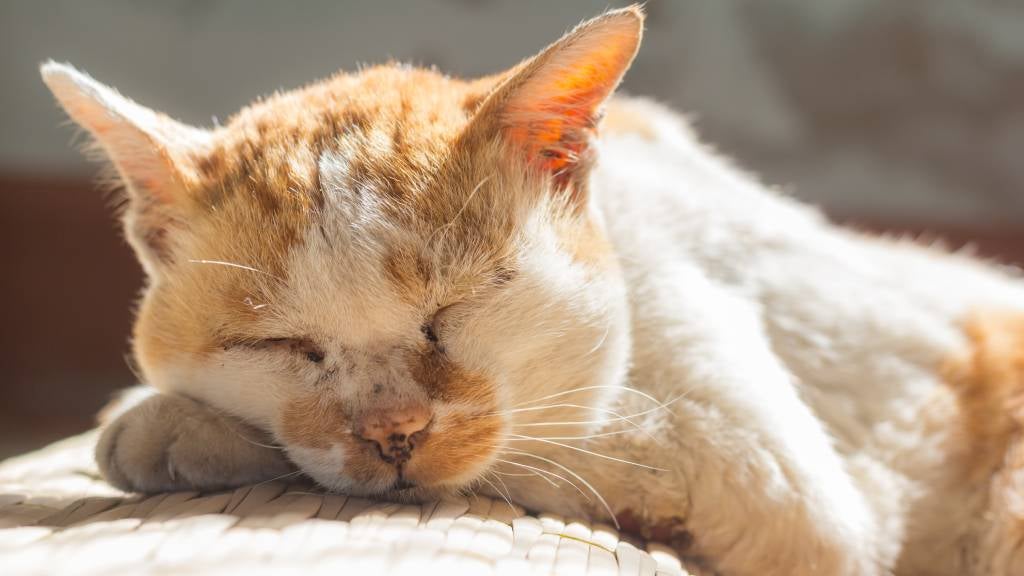
As cats enter their senior years (around age 10+), their physical and behavioral needs shift. Joint stiffness, dental wear, changes in appetite, and sensory decline become common. With thoughtful adjustments to diet, environment, and routine veterinary care, you can help your kitty remain comfortable, active, and engaged for many extra happy years. Here’s how to recognize aging milestones, optimize health, adapt your home, and keep your senior cat thriving.
Recognizing the Signs of Aging
Changes in Mobility
Older cats often show subtle shifts: reluctance to jump onto the sofa, slower climbs up cat trees, or stiffness after napping. Keep an eye out for limping or difficulty negotiating stairs—early arthritis management can make a big difference.
Dental & Oral Health
By their senior years, many cats develop tartar buildup, gingivitis, or worn/loose teeth. Bad breath, drooling, or reluctance to chew hard food are red flags that warrant a dental exam.
Weight Fluctuations
Metabolism slows with age, but conditions like hyperthyroidism or chronic kidney disease cause weight loss despite a hearty appetite. Conversely, reduced activity can lead to unwanted weight gain. Routine weigh‑ins help you detect shifts early.
Litter‑Box Habits
Arthritic hips or weakened back legs may make it painful to climb into high‑walled boxes. Watch for “accidents” outside the box or changes in frequency—these can indicate arthritis, urinary issues, or cognitive decline.
Behavioral & Cognitive Changes
Senior cats sometimes exhibit “feline cognitive dysfunction”: increased vocalization at night, disorientation, reduced grooming, or altered social behavior (seeking solitude or uncharacteristic clinginess). Keeping a diary of these changes helps your vet tailor supportive therapies.
Comments
Post a Comment